The EQ Interdisciplinary Showing & Therapeutic Riding Initiative for Disabled Equestrians
Ride #IN-STRIDE!
Welcome to IN-STRIDE! Our mission is to create an inclusive and uplifting community for disabled equestrians of all ages and paths in life, to ride and compete freely of institutional barriers in a safe, accessible environment. We believe first and foremost in rider empowerment, and strive to provide an equitable experience to every person who cannot be accommodated in a standard club or show setting. It is our primary purpose to see that every rider who comes through our doors leaves feeling respected, connected, and celebrated. At IN-STRIDE, we ride with pride!
This is a Sims 3 roleplay site for a fictional location intended for entertainment only. All opinions expressed are of the writer only and are not reflective of any views on the part of EA or Maxis. Texts, services, images, or characters that may resemble any real person or place (past or present) are unintentional and purely coincidental, and all prices are fictional.Artificial intelligence (AI) had no part in the creation of any concepts, texts, images, or CC on this site or associated with this club on any platform.
Ride IN-STRIDE!
Navigation
Our Community
Title
Turpis egestas pretium aenean pharetra magna. A iaculis erat pellentesque adipiscing. Luctus venenatis lectus magna fringilla urna porttitor rhoncus dolor.
Our Team
Title
Nunc eget lorem dolor sed viverra. Nec feugiat in fermentum posuere urna nec. Nisi lacus sed viverra tellus in. Magnis dis parturient montes nascetur ridiculus.
Our Mission
Title
The IN-STRIDE club was built on the following guiding principles:
Ride #IN-STRIDE!
Auctor orci
Posuere sollicitudin aliquam ultrices sagittis orci augue ut lectus arcu bibendum at varius vel pharetra. A cras semper auctor neque vitae tempus quam pellentesque.
Ride IN-STRIDE!

XC Field Lookout

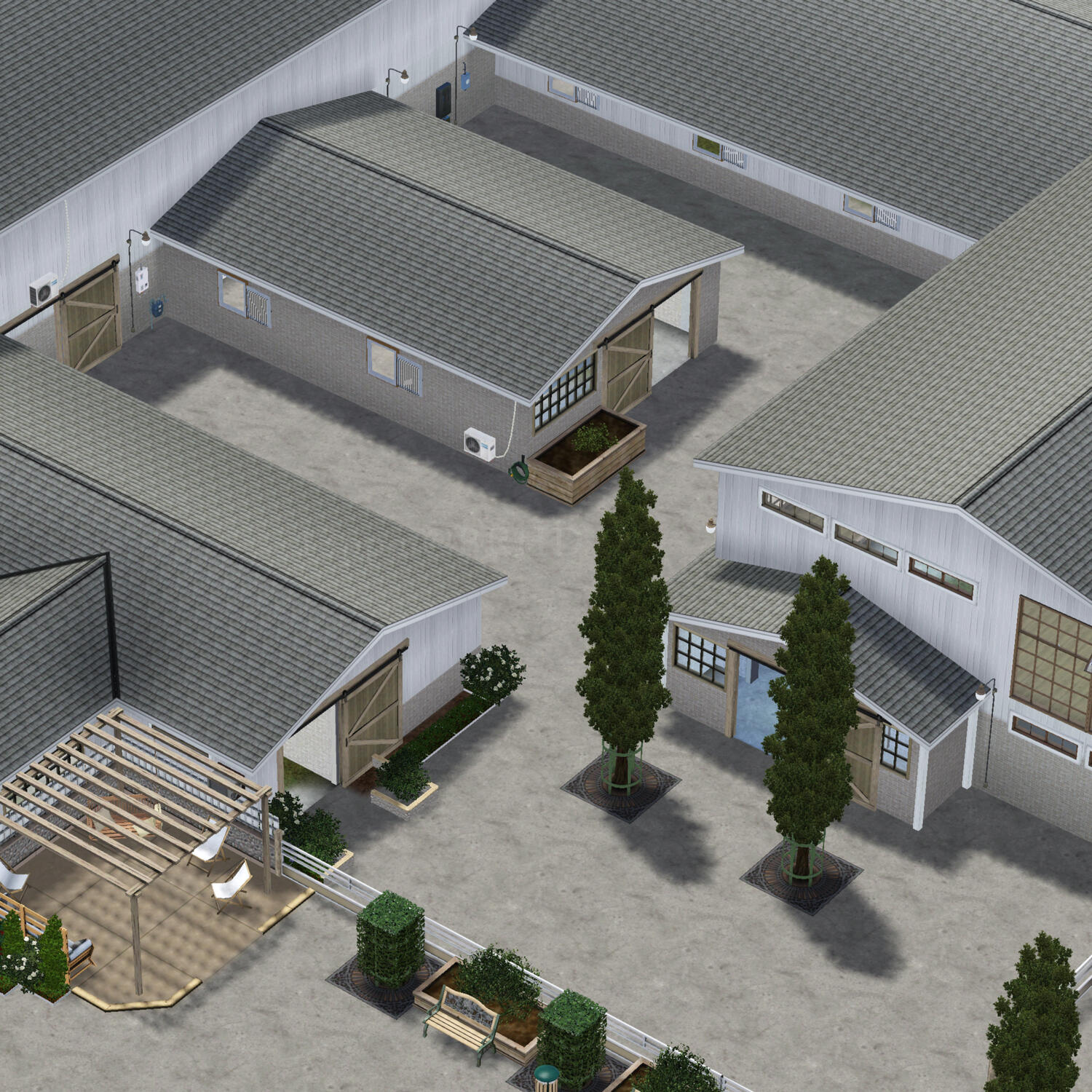
Visitor Barn Seating

Turnout Shelters in Spring

Jumper Ring #1

Para-Driving Warmup

Jumper Warmup

Outside the Trail Ring

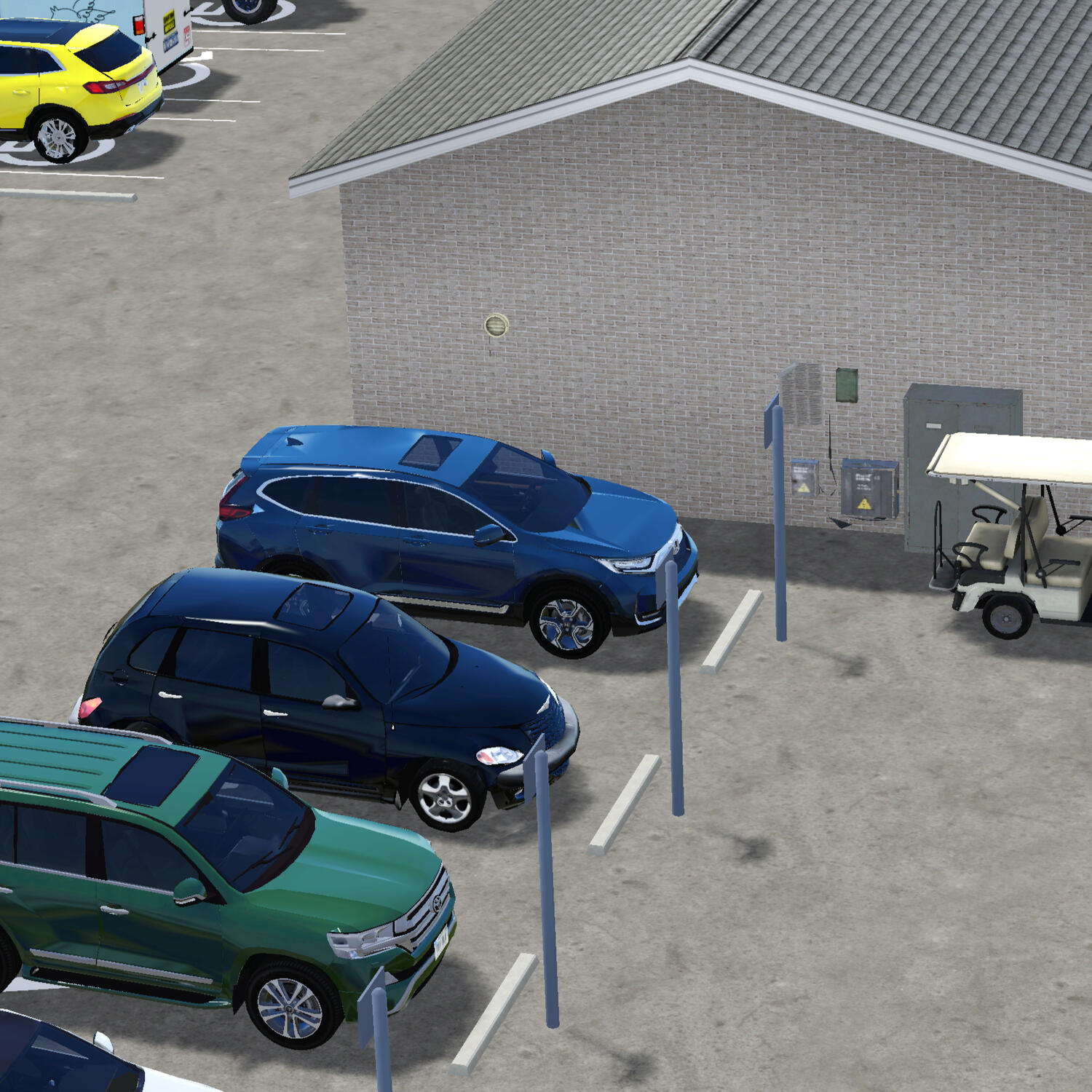
Visitor Parking


Ride IN-STRIDE!
2026-2027 Applications
Turpis egestas pretium aenean pharetra magna. A iaculis erat pellentesque adipiscing. Luctus venenatis lectus magna fringilla urna porttitor rhoncus dolor.
Turpis egestas pretium aenean pharetra magna. A iaculis erat pellentesque adipiscing. Luctus venenatis lectus magna fringilla urna porttitor rhoncus dolor. [LOANER HORSES]()
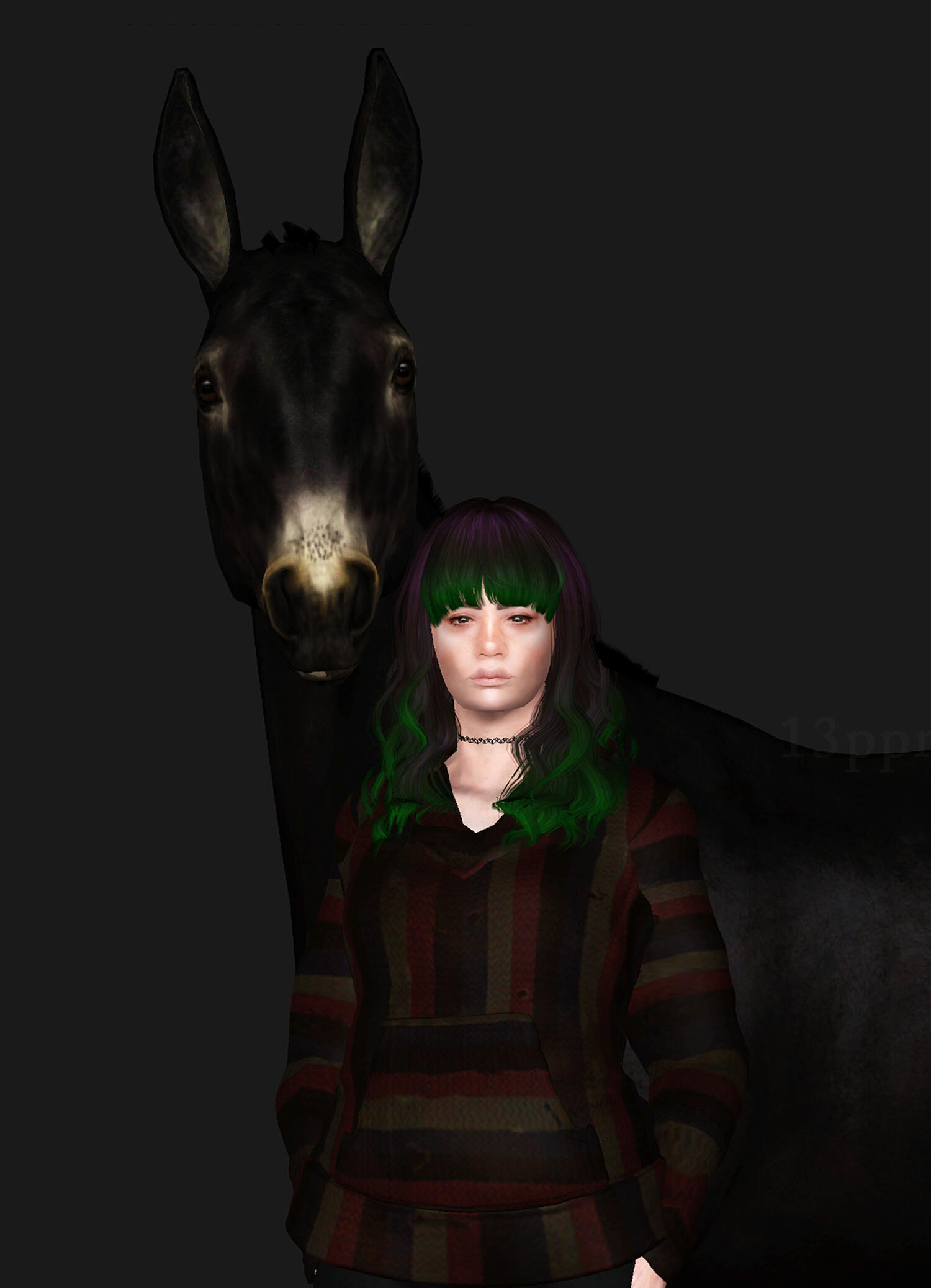
Sonya Veselko
Text text text text text text text text text text text text text text text text text text text text text text text text text text text text text text text text text text text text text text text text text text text text text text text text text text text text text text text text text text text text text text text text text text text text text text text text text text text text text text text text text text text text text text text text text text text text .
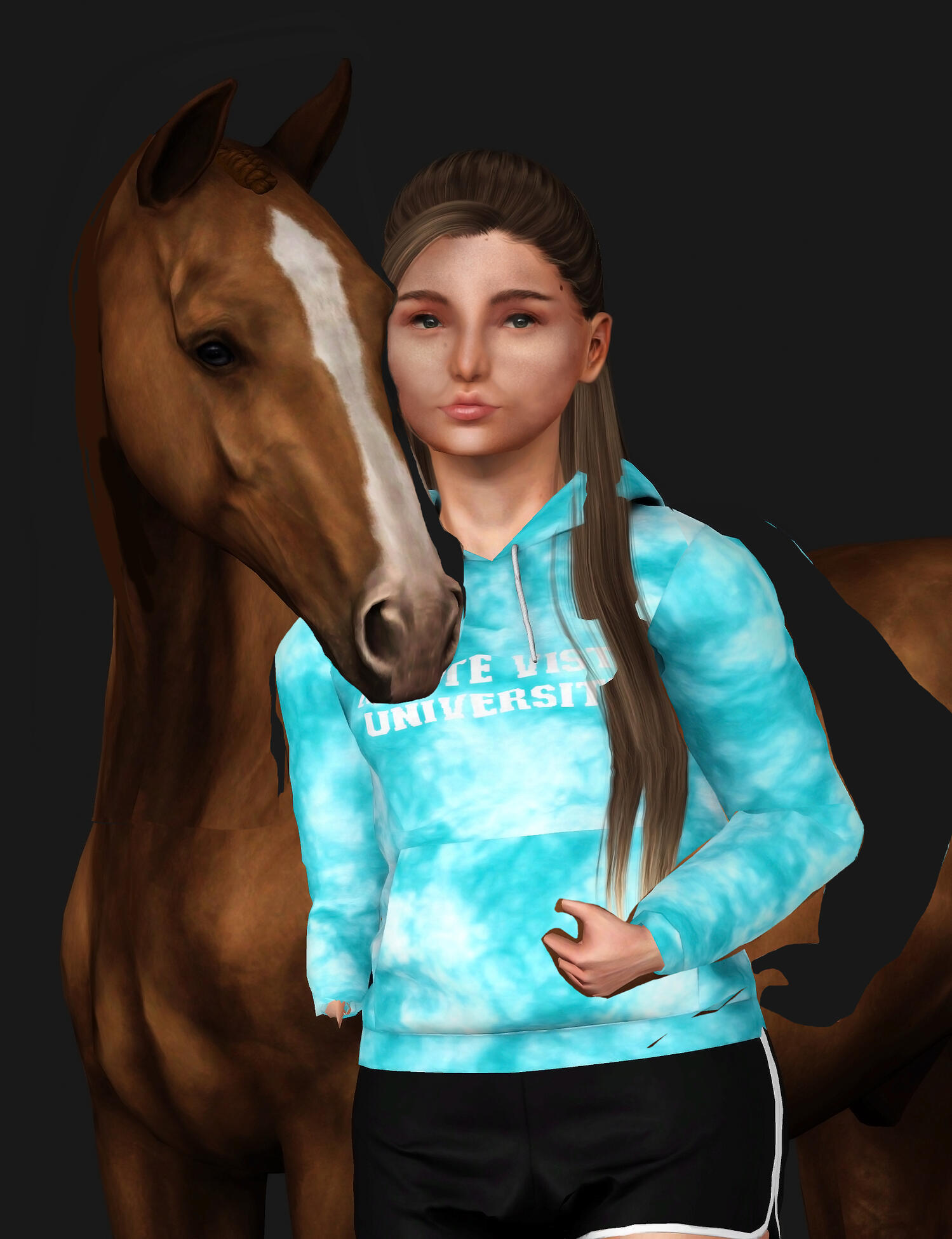
Rosanna Kirksey
Text text text text text text text text text text text text text text text text text text text text text text text text text text text text text text text text text text text text text text text text text text text text text text text text text text text text text text text text text text text text text text text text text text text text text text text text text text text text text text text text text text text text text text text text text text text text .
Text
Text text text text text text text text text text text text text text text text text text text text text text text text text text text text text text text text text text text text text text text text text text text text text text text text text text text text text text text text text text text text text text text text text text text text text text text text text text text text text text text text text text text text text text text text text text text text .
Text
Text text text text text text text text text text text text text text text text text text text text text text text text text text text text text text text text text text text text text text text text text text text text text text text text text text text text text text text text text text text text text text text text text text text text text text text text text text text text text text text text text text text text text text text text text text text text .
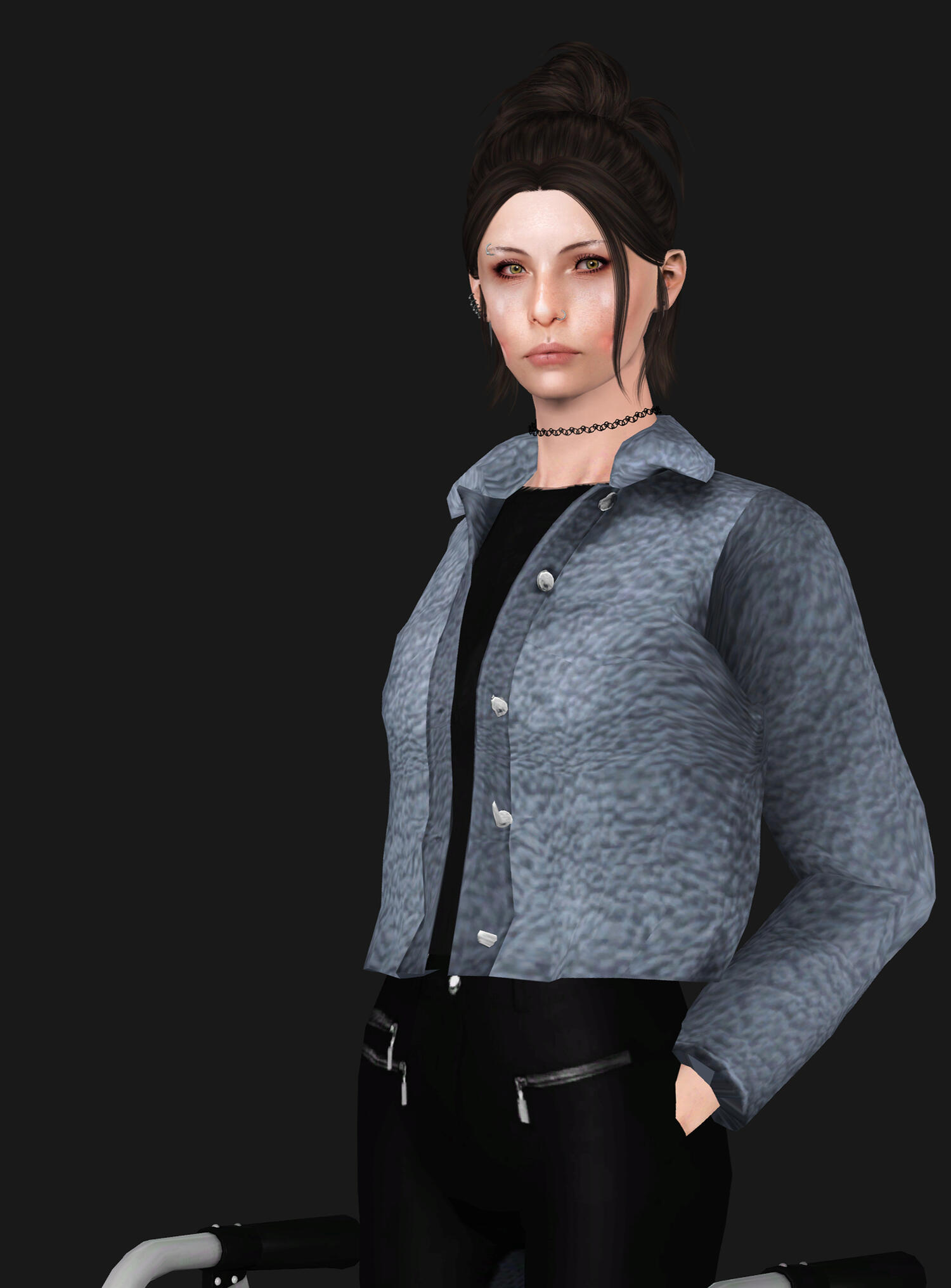
Ash Sterling
Text text text text text text text text text text text text text text text text text text text text text text text text text text text text text text text text text text text text text text text text text text text text text text text text text text text text text text text text text text text text text text text text text text text text text text text text text text text text text text text text text text text text text text text text text text text text .
Text
Text text text text text text text text text text text text text text text text text text text text text text text text text text text text text text text text text text text text text text text text text text text text text text text text text text text text text text text text text text text text text text text text text text text text text text text text text text text text text text text text text text text text text text text text text text text text .
Text
Text text text text text text text text text text text text text text text text text text text text text text text text text text text text text text text text text text text text text text text text text text text text text text text text text text text text text text text text text text text text text text text text text text text text text text text text text text text text text text text text text text text text text text text text text text text text .
Text
Text text text text text text text text text text text text text text text text text text text text text text text text text text text text text text text text text text text text text text text text text text text text text text text text text text text text text text text text text text text text text text text text text text text text text text text text text text text text text text text text text text text text text text text text text text text text .
Ride IN-STRIDE!
Handbook
Rules are subject to changes or updates whenever club staff see fit. Breach of these rules may result in warnings, club bans, disqualification from events, or involvement of EQ staff. Please submit a Help and Feedback Form if you have any questions or concerns; club staff will be more than happy to assist you!
Table of Contents:
Rules & Eligibility - Scroll Down
[A.I. Statement]()
[Discipline Overview]()
[Tack & Apparel]()
[Rider Aide Turnout]()
[Arena Guide & World Map]()
Offsite Link Directory:
[Club CC Masterlist]()
[World CC Overview]()
Ride IN-STRIDE!
Rules & Eligibility
Respect is paramount. Bigotry and hateful behavior will not be tolerated (including "joke" applications or entries.) Be kind or be banned.
Club CC, including items, poses, premade lots, premade worlds, and prizes, may not be shared with others or converted for use in other games (including The Sims 4.)
Images may not be created, edited, or enhanced with AI in any way. External elements permitted to be manually edited into the image, such as arena footing and skies, may not be created or enhanced by AI. No element of any image associated with this club—registration images, T Show entries, T Show bonus images, RP event posts, or any other—shall be influenced in any way, shape, or form by AI-generated, AI-edited, or AI-enhanced materials.
Points and titles earned within IN-STRIDE do not carry over into other communities.
Horses with crass or offensive show names may be rejected. If it's not appropriate for EQ's general chat, it's not appropriate here.
All images associated with IN-STRIDE are expected to be "safe for work" and may not contain or reference adult-oriented materials. Further, all images are expected to created in good faith, and may not mock or objectify the subject, or members of any marginalized community.
T Show entries are expected to be entirely of your own creation, and may not use pre-drawn elements like manes, tails, or reins. Inserted footing and skies are allowed.
Riders must be age 6+. Classes are divided between Youth, Teens, and Adults.
Horses must be age 6+.
Riders must have a disability.
Applicant must be a member of EquialitySims.
Only Sims 3 content may be used.
Members who leave EquialitySims must reapply upon rejoining.
Members who are banned from EquialitySims will be banned from IN-STRIDE.
Ride IN-STRIDE!
Alt-Text 101
An image description or alt-text is encouraged for T show entries, but not required in shows with multiple judges.
Alt-text and image descriptions are two distinct accessibility tools that provide written descriptions of images for those with visual, processing, or cognitive impairments.
Alt-text is provided as a hoverable or clickable text that is embedded ‘into’ the image where it appears on the screen, and often limited to 125-150 characters, while an image description is often a caption or blurb beneath it that offers greater context or complexity.
Neither one should be an accompanying story or passage; a proper alt-text or image description should clearly and plainly describe the items of focus in an image, transcribe any text or graph data within the image, and plainly describe the visible scene. They may be concise and limited to the singular most important details, or heavily descriptive so long as they are clear. They shall not be biased, misleading, or written with “in-the-know” language such as slang or meme speak, and should not provide personal or subjective commentary on the content.
Discord only supports the addition of alt-text while a post is being submitted. Once your image is posted, it cannot be edited to add alt-text in retroactively if you forget. If this happens, you may be asked to provide an image description after posting. You will not lose points for having to do this! Remember: it's about accessibility, not perfection. We're all human!
Example: Appropriate Alt-Text
"A heavy black woman of average height standing next to a gray horse, holding a trophy that reads "Champion"."
Example: Appropriate Image Description
"Rider, Mara, and her horse, Jazz, perform a collected canter in a grassy dressage arena in daytime lighting. Mara is an adult woman. She has a short spine and neck due to spinal bifida. She has black hair and is wearing a pink shirt with white breeches. Jazz is a bay Arabian, and is wearing a pink saddle pad with all black bridle, saddle, and bell boots. The saddle has custom leg blocks and a high backrest. A smiling judge watches from a red wooden podium outside the white arena fence. There is a large crowd of people watching from red and silver bleachers in the background. Pink peonies, red roses, and white everlasting flowers border the foreground with a focal blur, and some green leaves poke into the sides of the image. The weather is clear and bright."
Example: INCORRECT Alt-Text/Description
"Mara (she/her) waved to her instructor from the arena. The large venue makes her anxious. She nervously urges her horse, whose favorite treats are carrots, forward. They complete their test with a fabulous score and her friends are very proud."
If you ever find that your alt-text is too long for the Discord alt-text box, that would be a good indicator that it should be an image description instead. Alt-text is not required if an image description is used. Either is acceptable and entries will not be favored for using one over the other.
Ride IN-STRIDE!
What is a disability?
A disability is a defined under the Americans With Disabilities Act as a physical, psychiatric, or cognitive/intellectual condition that substantially limits a person's ability to perform the major activities of daily life that most people can perform with little to no difficulty. These activities and functions can include:
Basic activities of daily living ("bADLs") such as feeding, sleeping, toileting, dressing, and hygiene tasks.
Physical actions and motor control tasks such as sitting up from a reclined position, walking, standing, climbing stairs, rolling over in bed, lifting weight, picking oneself up off of the floor, balancing, gripping, manipulating an item, bending at the waist, and swallowing.
Cognitive functions such as organized thought, motor planning, learning, identifying objects, concentration, spatial reasoning, and long- or short-term memory.
Sensory functions such as sight, hearing, auditory processing, sensory processing, tactile perception, temperature perception, and proprioceptive processing.
Language and expressive functions, such as communication through speech or writing, reading, and understanding the written or spoken words of others.
Mental and psychological functions, such as emotional resilience, self-regulation, organized thinking, control over one's behavior, secure self-identification, and cognizance of reality.
Instrumental activities of daily living ("iADLs") such as working, maintaining one's living space, managing one's money or belongings, preparing one's meals, shopping, and adhering to daily responsibilities.
Social functions such as interacting with others, understanding social cues, active listening, participation in community, healthy inter-dependence, and maintaining relationships.
The operations of major bodily functions like respiration, immunity, digestion, and elimination; or major organs such as the liver or pancreas.
Do I/Does My Rider Qualify?
For the purposes of this club, a rider's disability must significantly impact or limit their ability to either handle their horse independently, or ride and compete in a mainstream "typical" setting, due to: equipment needs; support needs; physical, psychiatric, or cognitive limitation; or any such limiting factor of the body, mind, turnout requirements, or arena that precludes participation in at least one other discipline club.
| Consider three riders with low vision. Jane requires the use of glasses, and is mildly red-green colorblind. While wearing her glasses, she does not need much or any assistance with seeing or understanding the world around her. Without her glasses on, she cannot read from more than an arm's length away. With her glasses on, she can read the letters around a dressage ring and navigate a jumping course independently. She does not rely on large print or other visual aids. | Consider three riders with a mental health diagnosis. Paul lives fully independently and has a full-time job, but his condition can make it difficult to relax or care for himself after he gets home. He is currently taking two medications. In therapy, he is making steady gains and learning to manage his symptoms. He rides with his friends on the weekends to relieve stress, and enjoys the energy and camaraderie of a busy show environment. | Consider three riders with a physical disability or illness. Alex was born with a congenital heart defect, and has had several open-heart surgeries. They are now able to work and perform any physical task independently, so long as they pace themself. Sometimes, they ask their partner to help them carry large feed bags, but they can tack and ride a horse on their own. They find that dressage is a great fit for their level of ability. |
| Kiran wears glasses, but their vision is not correctable to a fully functional degree. Without their glasses on, Kiran cannot distinguish very large items unless they are within arm's length away. With their glasses on, Kiran can read some large-print materials, but cannot find many items around their home quickly, and needs help to navigate public spaces. Kiran requires the help of an aid to measure their horse's feed, and needs a clear arena to ride in, as indistinguishable obstacles would pose a safety risk to them. They ride in paradressage with a caller. | Crizya attends college with an IEP. She does not tolerate large gatherings and requires a clear, immediate exit from any space that she is in. She is not able to do certain ADLs or wear certain types of clothing because of her condition. She also suffers with stress-related seizures, for which she handles a service dog, and requires a sidewalker and seatbelt when she rides. She is only able to come in and care for her horse or ride before or after popular hours, when few people are at the barn. | Following a car accident, Rowan suffers with brain damage, and does not have any arms. She can be very unsteady when she is upright. Her saddle was built just for her, with stabilizing pads and a backrest to help her to maintain her balance. She can mount her horse independently if she stands on a wheelchair ramp to get to the height of the saddle, but it is safer if she has a spotter. She steers her horse with the use of foot reins because she is not comfortable with putting her reins in her mouth. |
| Hasan has very little perception of light, and nothing else. He does not wear glasses, apart from protective lenses when he is in the sun. He navigates his environment with a white cane, and is on a waitlist for a guide dog. When Hasan rides his horse, he requires the help of a caller who can direct him around the arena and tell him if obstacles or potential hazards are present. His personal care assistant must help him with the majority of his horse and stall care tasks. | Shane lives in a psychiatric support home for adults. They are not able to drive, and require the accompaniment of an aide to all of their errands, appointments, and activities. Shane has behavioral challenges that can pose a safety risk to themself and others, and they struggle with following directions. For these reasons, Shane requires supervision and assistance while handling horses, and takes private lessons with an LCP. | Nao is medically complex child. He has a feeding tube that he wears in a backpack. He walks with HKAFO orthotics for short distances, but typically uses a wheelchair. Nao does not meet most milestones for his age and communicates through AAC. His medical equipment limits the types of clothing that he can wear. He requires trained therapy horses, a wheelchair-accessible facility, weighted stirrups, a leader, and two sidewalkers. |
| All three riders have a medical disability under the ADA, but for the purposes of this club: Kiran and Hasan are disabled riders who are eligible for registration. Their visual impairments present support needs and physical limitations that could not be accommodated by other clubs. Jane can compete independently with the use of glasses. There are no clubs that prohibit her from wearing them, and thus, she is ineligible. | All three riders have a medical disability under the ADA, but for the purposes of this club: Crizya and Shane are disabled riders who are eligible for registration. Both have limitations on the types of setting, equipment, or attire that they can ride in. Paul's medication is not a riding or club accommodation, and he does not have any extenuating equipment or support needs. Thus, he is ineligible. | All three riders have a medical disability under the ADA, but for the purposes of this club: Rowan and Nao are disabled riders who are eligible for registration. Their equipment and assistance needs could not be accommodated in a traditional show setting. Alex's limitations out of the saddle are not such that they cannot compete in other EQ dressage clubs, and thus, they are ineligible. |
Quick ref:
Does my rider use any tack, tools, medical equipment, or clothing that other clubs would not accept?
Do the poses available to me from other clubs reflect my rider's abilities accurately?
Do other clubs allow my rider to ride in classes that suit their level of ability?
Does my rider require a horse that is too large or too small to be accepted into other clubs at all class levels?
Would I be using disability CC or heavily editing my rider's equipment?
Does my rider have an invisible disability that makes me feel most comfortable seeing them in IN-STRIDE?
Have I ever skipped out on joining a mainstream club or show because my rider wasn't a good "fit"?
Remember: Disability is not just a wheelchair or a white cane. IN-STRIDE warmly welcomes sims with invisible disabilities, including neurodivergence and mental health conditions, that are displayed only through storytelling or the member's own declaration. We do not require your images to "show" your rider's disability. They belong if you say they do, period.
Should you have any questions about your rider's eligibility, please feel free to contact the club staff through our help and feedback form to ask!
Ride IN-STRIDE!
Grades Explained
What are rider grades? How do they work?
Grades take the place of traditional experience- or points-based levels in IN-STRIDE. To promote the greatest quality of fairness, equity, and equal opportunity within the club, riders are grouped together to compete with others of comparable physical, cognitive, and mental ability. This ensures that riders are not judged against others with vastly different capabilities in the ring or rewarded unfairly for actions impossible to others in the round.What does my rider's grade mean?
Ability grades may take on different names in different club disciplines, but are assigned based on the same criteria. These criteria are described in plain language below:
Singular Sensory Impairment (Visual and/or Hearing, or Other Sensory)
| Referred to as: | Grade V | S Class | SG Division | Red Class |
| In: | Para-Dressage, Western Para-Dressage, Adaptive Western Trail, Adaptive Working Equitation | Adaptive English Riding, Adaptive Western Riding | Adaptive Barrel Racing | Para-Driving |
Riders with this grade have one sensory impairment affecting vision or hearing only, or may have co-occurring visual and hearing impairments wherein only one is the primary accommodated disability. Hearing impairment may span the full range of hard-of-hearing to totally d/Deaf expressions. Visual impairments in this grade are any that may be accommodated without leader reliance. Rider must be able to safely navigate all aspects of the arena of their chosen discipline, including obstacles and course maps.Accommodations seen within this grade may include, but are not limited to: in-arena or ringside callers, earpiece callers, signers, large-print arena markings, colored arena cues, colored or tactile assistive equipment; course map formatting in color, large print, or Braille; etc.
Least Singular Mental, Cognitive, or Physical, or Combined Impairment
| Referred to as: | Grade IV | T Class | DG Division | White Class |
| In: | Para-Dressage, Western Para-Dressage, Adaptive Western Trail, Adaptive Working Equitation | Adaptive English Riding, Adaptive Western Riding | Adaptive Barrel Racing | Para-Driving |
Riders with this grade have a physical, mental, or cognitive health condition that requires at least one accommodation while not restricting any activity in the ring when such accommodations are provided. Riders shall be able to perform all required movements for their test with only minor scoring leeway for adaptations or alternative movements, and must possess appropriate trunk, arm, and leg function for all activities in the saddle. No condition or label is barred so long as these requirements are met.Accommodations seen within this grade may include, but are not limited to: reins and saddle straps that assist with grip or balance, more frequent breaks, permission to briefly leave lineup at the rail, adaptive clothing to accommodate medical devices or sensory needs; eye, ear, and/or joint protection beyond what is outlined in global turnout guidelines; hearing aids without the use of a caller (where hearing impairment is not the primary disability); speakers off in arena; no clapping, use of orthotics and prosthetic that provide comparable-to-abled function, excuse from final lineup, etc.
Moderate Physical or Combined (with Primary Physical Impairment)
| Referred to as: | Grade III | R Class | CG Division | Purple Class |
| In: | Para-Dressage, Western Para-Dressage, Adaptive Western Trail, Adaptive Working Equitation | Adaptive English Riding, Adaptive Western Riding | Adaptive Barrel Racing | Para-Driving |
Riders with this grade have a significantly limiting physical health condition, which may or may not be accompanied by a mental health or cognitive disability. These riders may be significantly challenged in some area of life, or may have conditions of the trunk or some limbs that limit or alter some activities of daily life. Many of these challenges can be mitigated through the use of mobility aids, orthotics and prosthetics, etc. Those with this grade are typically capable of performing most required activities in the saddle independently when these accommodations or adaptions are met.Accommodations seen within this grade may include, but are not limited to: some adaptive or customized tack, use of voice to direct some movements of the horse, use of one or two dressage whips to cue the horse,
Moderate Mental or Cognitive, or Combined (with Primary Mental or Cognitive Impairment)
| Referred to as: | Grade II | I Class | BG Division | Orange Class |
| In: | Para-Dressage, Western Para-Dressage, Adaptive Western Trail, Adaptive Working Equitation | Adaptive English Riding, Adaptive Western Riding | Adaptive Barrel Racing | Para-Driving |
Riders with this grade have a significantly limiting mental or cognitive health condition, which may or may not be accompanied by a physical disability. These riders may or may have the physical function required to ride, but possess significant limitations in areas such as emotional and behavioral regulation, memory, learning, sensory processing, speech and/or language, neurodevelopment, social engagement, global cognition, etc. Those with this grade can typically tolerate the show environment and perform most required activities when required accommodations or adaptations are met. Some may be able to meet higher physical demands than others due to secondary conditions, and these differences are taken into account during discipline selection.Accommodations seen within this header may include, but are not limited to: frequent breaks, excuse from lineup at the rail, excuse from final lineup, adaptive reins with right/left or correct hold indicators, assistance with course materials; simple directions, extra prompting, and advance cueing in group classes; no clapping, speakers off in arena, ringside emotional supporters, worn sensory tools, adaptive attire, adjusted music volume or omission of music, provision of "cheat sheets" in rail lineup, excuse from team gathering space before/after round, toning down of arena decoration, callers or signers, etc.
Most Severe Singular or Combined Impairment (Highest Accommodative Needs—Most Restricted Level of Ability)
| Referred to as: | Grade I | DE Class | AG Division | Gold Class |
| In: | Para-Dressage, Western Para-Dressage, Adaptive Western Trail, Adaptive Working Equitation | Adaptive English Riding, Adaptive Western Riding | Adaptive Barrel Racing | Para-Driving |
Riders with this grade have a severe physical, mental, and/or cognitive health condition of the highest level of restriction to all activities, and/or may be completely blind or Deafblind. These riders typically rely on a mobility aid full-time, often along with personal care assistance and/or a responsible party to handle their affairs, belongings, or decision-making in all areas of everyday life. They may possess minimal balance or control of the trunk and all limbs, or a severely limited capacity for motor planning, language, emotional regulation, or following directions. ADLs are often heavily restricted or require specialized help. For this reason, a rider's ability to maneuver the horse independently may be greatly limited.Accommodations seen within this grade may include but are not limited to: heavily modified or wholly custom built tack and accessories, aid of one or multiple sidewalkers, aid of a leader,
Ride IN-STRIDE!
Rider Aides
What are rider aides?
At IN-STRIDE, we offer many classes to riders who require the assistance of one or more rider aides — but what do they do? Here you will find a detailed description of each role, as well as examples of how they may or may not appear in T Show entries.
Caller
Callers are aides who dictate a visually-impaired rider's position and upcoming hazards, obstacles, and other elements of interest in the arena. They are most often seen in para-dressage and western para-dressage, though they can appear in a variety of flat disciplines with no obstacles or terrain challenges so great that a rider's safety may be jeoparadized by slow communication, miscommunication, or the rider's lack of visual acuity.The caller may be stationed inside or out of the arena, and may either call out to the rider directly or communicate via an earpiece. Their job is only to dictate where the rider is in the arena and what is around them. They are not to instruct the rider or provide commentary. A caller must read from the official test and be clear in their calling. For example, a caller for a Para-Dressage rider shall call the next approaching lettered position on the arena, but not what must be done at that position. A Western Riding caller may call a cone on the righthand side, but may not instruct the rider to circle it. Working Equitation and Western Trail callers may provide more context to the obstacles in the arena, but nothing else. The callout is read once or twice: loudly, crisply, and singularly.The IN-STRIDE club permits callers for the following disciplines in all rider grade divisions: Adaptive English Riding (flat only), Adaptive Western Riding, Para-Dressage, Western Para-Dressage, Para-Driving (show and cones), Adaptive Western Trail, and Adaptive Working Equitation (dressage and ease of handling), as well as many Mounted Games activities. Note: In show venues with electronic "living letters", a human caller aide is still permitted without notice or question.
Signer & Commander
Signers and Commanders have similar roles. Both are aides who dictate directions and relay information to a rider in the arena. The Signer most often does this for a Deaf or hearing-impaired rider through the use of a sign language, while the Commander does so through a variety of means for a rider who needs extra instructional, cognitive, planning, or reinforcement support. --cont'dThe IN-STRIDE club permits both signers and commanders in the following disciplines:
Leader & Sidewalker
Leaders are aides who lead the horse via rein or leadrope. When a leader is present, a rider may or may not hold the reins at all. Leaders are crucial to ensuring the safety of riders who cannot hold reins, steer the horse, navigate an arena independently, or follow directions without help.For this reason, leaders may singlehandedly open the door to horsemanship for those such riders who otherwise might not be able to ride at all. Leaders help to provide a place in the saddle for everyone who wants one, regardless of ability.The sidewalker may have many roles to aid in ensuring safety in the saddle. They can help to manage uncontrolled movements and actions; provide stability to those with motor and balance difficulties; provide emotional support; lead a rider’s service dog; secure equipment such as bolsters and positioning devices; carry equipment such as feeding pumps, comfort items, augmentative communication devices, and oxygen tanks; assist with communicating, following, and remembering tasks; and much more.They may also confer with the leader to be sure that everyone stays on the same page if the rider needs a change of pace or has a request. A rider may have one or more sidewalkers: for example, one to stabilize the lower leg, one to carry their DME, and one to assist in communication, or simply one to offer support. Sidewalkers are one of the foundational pillars of adaptive and therapeutic riding!The IN-STRIDE club permits leaders and sidewalkers in the following disciplines: Adaptive English Riding (Classes I and DE), Adaptive Western Riding (Classes I and DE), Adaptive Mounted Games (Green and Pink Groups), Adaptive Barrel Racing (Grade I), Adaptive Western Trail (Grade I).
Ride IN-STRIDE!
Ride IN-STRIDE!
Ride IN-STRIDE!
🖤🏳️🌈🏳️⚧️🏳️🌈🏳️⚧️🏳️🌈♿️🏳️⚧️🏳️🌈🏳️⚧️🏳️🌈🏳️⚧️🤎
Promoting and protecting diversity within the equestrian community is, and always has been, the backbone of the IN-STRIDE club. Disabled and LGBTQI+ justice are immutably interconnected. Where the doors may close to one, neither liberation, nor equity or equality, can fully exist for either.The IN-STRIDE team would like to reaffirm two key tenets of our mission:
1. Equality and equity are sisters, not synonyms.
An equal experience for all cannot exist if it is not equitable, but equality is not equity. We recognize the different needs of different sections of our population as such, and strive to build our community with the most marginalized voices at the forefront. What the disabled LGBTQI+ community owes to our trans elders of the global majority, it is our responsibility to return tenfold with specific, intentional action not contained to two months out of the year. To our BIPOC LGBTQI+ members, both on the screen and behind it: we could not claim to be here for you, without you.
2. Equitable opportunity shall not be earned, or bound to labels.
We do not ask for gender or birth assignment—only pronouns to refer to you correctly in club materials. We do not ask for disability specifics—only accommodation needs, to most appropriately assign your showing grade.
We firmly believe that neither equity not equality can exist where they must be negotiated. An environment such as ours cannot be a safe one if a welcoming experience is locked behind labels, explanations, or access to a diagnosis. You are the expert on your own life. You express your own experience, and the onus is on us to meet it. It cannot be the other way around.
We strive to foster dignity, respect, and accessibility for all, in our materials, showground, and community—not only during pride months and awareness campaigns, but throughout all 365+1 days of the year. The tangible steps that we are taking towards this goal include:
•Providing poses that portray a wide variety of disabled experiences, e.g. single-handed poses, poses with limb positions omitted, poses designed for specific DME, facial expressions designed for facial differences and paralysis, etc.
•Providing the least restriction to discipline and class eligibility for each rider through the inclusion of as many accommodations as possible, e.g. permitting rider aides in most flat disciplines, setting loose turnout rules, and offering a wide variety of classes designed for different groups within all disciplines.
•Limiting showground CC of Pride- and disability-related items to those that are free to download, base game compatible, and created in good faith.
•Allowing the depiction of pride flag pins and ribbons, pronoun pins, awareness ribbons, national flags, cultural and religious items that do not pose any hazard in the saddle, and messages of pride and power that align with EQ’s rules in all club images, including show entries.
•Providing clear and detailed text descriptions of all club events and discipline classes, images and descriptions of permitted tack and apparel, images of permitted accommodations and medical equipment, and maps and descriptions of all show courses in our handbook.
•Dedicating time to disability and accessibility education within the server in order to foster more appreciation and understanding of the paraequestrian community.
•Creating and commissioning needed CC to be provided without club exclusivity, basis of requirement, or paywalls.
•Designing show courses for some disciplines with alternative routes to suit different levels of ability, e.g. a western trail element with a gate to be opened from any angle or a barrel to circle instead that does not require use of the hands at all.
•Keeping questions and labels regarding gender, disability identification, and citizenship out of our application process.
Owner’s note: Behind the scenes, IN-STRIDE is fully designed, built, and managed by one(&) Mad multiply-marginalized Jewish immigrant. My goal for the club has always been to realize a space where every facet of my identity could not only be reflected, but included and accepted within the Sims 3 equestrian community.It can be easy for some to dismiss or devalue a project like this. Our characters are fictional people, only able to be portrayed as doing fictional work for the other characters in the stories that we craft for them without the limitations of the real world. But:Our art is intrinsically linked to our lived experience, as it should be. Whether in the largest designs of the world we shape around us, or the smallest pixels that we arrange on our screens, creation is never uninformed. As artists, we dedicate real labor to images born of our real needs, our real fears, and our real lives.The paraequestrian sport in real life still has a long way to go. Even the greater equestrian community as a whole is still largely closed to people of various marginalized groups and identities, financially inaccessible even to the abled and healthy, and stigmatized even in gender-expansive spaces (e.g. the "crazy horse girl" stereotype). Not everyone with the Horse Lover trait fits squarely into the same box.I want to create a place in EQ where we can visualize an ideal sport for all, where identity does not have to earn equity because it is already there—where all can come to the table without puzzling or finagling, because space is already made. Is art like this a way of faking it until we make it? Or is it a way to alleviate the needs that are still unmet in our real lives? I don’t think that there’s any one answer.With the club now open after years of preparation, I’m especially grateful for all of the respect and acceptance that this community has shown to my work so far.
From the person behind the IN-STRIDE pixel team: thank you.
Happy Pride month, year, and eternity!
🖤🏳️🌈🏳️⚧️🏳️🌈🏳️⚧️🏳️🌈♿️🏳️⚧️🏳️🌈🏳️⚧️🏳️🌈🏳️⚧️🤎
Ride IN-STRIDE!
Adaptive Equestrian Sports 101
THe Basics
Myths vs. Facts
"Para-equestrian riding is just normal riding, but with lower difficulty.""Para-equestrian disciplines are just the "safe" versions of equestrian sports.""Para-equestrian disciplines are less fun for the rider, and less exciting to watch.""If disabled riders can be mainstreamed, they don't need para-eq."Para-equestrian riding is just normal riding, but with lower difficulty.
What's the right discipline for me?
For disabled equestrians, there is often more to consider when picking a discipline than what you like the look of, and what interests you the most.
Below, you will find a list of the disciplines that IN-STRIDE offers, with a brief overview of the goals of the spots, and practical tips for selecting a discipline for yourself or your rider. Following the links will bring you to a full breakdown of allowed movements for T Shows.
Para-Dressage
Derived from the French word for "training," dressage is a discipline that has nearly always been synonymous with harmony and graceful communication between horse and rider. The pair performs a series of pre-determined movements around a marked rectangular arena and is scored per movement by a body of judges stationed around the ring.
Is para-dressage for me?
Para-dressage may be the right fit for you or your rider if: You prefer to ride alone in the arena; You prefer a slower-paced test; You would enjoy performing to music; You are most comfortable with the predictability of a pre-determined performance; You prefer an empty arena, free of clutter; You are open to more intensive solo training.
Western Para-Dressage
Western para-dressage combines the elegance of English para-dressage with the tack, gaits, and showmanship of western disciplines. Riders perform an almost identical test in more traditional western dress, and often a more American-western styled arena, though the dimensions and objectives are the same. Western para-dressage is an excellent choice for those with a western riding background who want to experience the best of both worlds!
Is western para-dressage for me?
Western para-dressage may be the right fit for you or your rider if: You prefer to ride alone in the arena; You are most comfortable in Western tack; You prefer a slower-paced test; You would enjoy performing to music; You are most comfortable with the predictability of a pre-determined performance; You prefer an empty arena.
Adaptive English Riding
The English riding discipline teaches the basics of horsemanship and maneuverability with the aim of a unified and harmonious presentation fit for sport. Riders will learn to ride the walk, trot, and to steer through cone and ground pole obstacles. Some classes will also learn to canter, and riders with the appropriate level of ability may progress to jumping.
Is adaptive English riding for me?
Adaptive English may be the right fit for you or your rider if: You prefer to ride in a group (excluding cross-country and some, but not all, jumper and hunter classes); You are comfortable with receiving direction spontaneously throughout your show; You are able to perform a two-point position and are interested in jumping (not required for flat classes); You enjoy riding in a natural environment (cross-country); You are most comfortable in English tack.
Adaptive Western Riding
The western riding discipline teaches the basics of horsemanship and maneuverability through the historical lens of ranch utility and long traversal. Riders will learn to ride the walk, jog, and to steer through cone and ground pole patterns. Some classes will also learn to lope, and riders with the appropriate level of ability will have the option to join gamified classes that expand on the older principles of roping and barrel racing.
Is adaptive western riding for me?
Adaptive western may be the right fit for you or your rider if: You prefer to ride in a group setting; You are comfortable with receiving direction spontaneously throughout your show; You are not interested in jumping; You are comfortable with small obstacles such as cones or poles in the arena; You need or prefer to ride with one hand (legal in all disciplines); You are most comfortable in Western tack.
Adaptive Barrel Racing
There are few sports more exciting than barrel racing! Riders compete against the clock and each other to complete a cloverleaf or X-shape around a preset pattern of barrels. Walk, trot, and canter classes are provided to allow riders of any skill level and level of ability to join in, as well as joker patterns and stump races where riders may compete two at a time. If you are heavily competitive, focused, and crave speed, then barrel racing might be the sport for you!
Is adaptive barrel racing for me?
Adaptive barrels may be the right fit for you or your rider if: You prefer to ride alone in the arena; You enjoy a very short and fast-paced performance (though walk classes are always available); You possess the necessary balance to ride quick, tight turns; You are comfortable in an exciting and heavily competitive environment; You enjoy timed competition; You prefer an arena with minimal decoration; You prefer the predictability of a pre-determined test.
Adaptive Western Trail
If you enjoy the rough-and-rugged feeling of a good trail ride, but still crave the pageantry and competitive atmosphere of the show ring, then Western Trail may be just what you're looking for! Horse and rider navigate a pattern of natural obstacles, ground poles, and utility-focused tasks within a closed show arena, at a leisurely pace comfortable for any age or level of ability.
Is adaptive western trail for me?
Adaptive trail may be the right fit for you or your rider if: You prefer to ride alone in the arena; You are not overwhelmed by a visually busy or cluttered arena; You are able to move well in the saddle and perform basic motor tasks (alternate elements may be provided; guidelines for permitted assistance from sidewalkers and aides are outlined in the discipline breakdown below); You prefer a slower-paced test; You are most comfortable in Western tack.
Adaptive Working Eq
Working Equitation is one of the ultimate tests of a horse's discipline, a rider's competence, and the relationship and communicative ability between the two. Horse and rider navigate a series of tasks throughout three phases: Para-Dressage; Ease of Handling, an obstacle course comprised of common activities in a utility setting; and Speed, in which obstacles are ridden against the clock.
Is adaptive working equitation for me?
Adaptive working eq may be the right fit for you or your rider if: You prefer to ride alone in the arena; You do not prefer a slower- or faster-paced test; You are most comfortable with the predictability of a pre-determined performance; You are not overwhelmed by a visually busy or cluttered arena; You are able to move well in the saddle and perform basic motor tasks (guidelines for permitted assistance from sidewalkers and aides are outlined in the discipline breakdown below); You are interested in elements of many different disciplines.
Adaptive Mounted Games
Classes and divisions for Mounted Games break down as follows. Per R or T show, five total races will be selected of our over 26 total race formats. Below, you will find the Mounted Games grading system, as well as a list of eligible races for each grade. Horse-and-rider teams may choose to compete in any race that supports the rider's functional grade. Riders of different grades may compete against each other when permitted equipment, accommodations, or other supports will not influence the fairness of the race.
Are adaptive mounted games for me?
Adaptive mounted games may be the right fit for you or your rider if:
Para-Driving
***Our newest at-home discipline!***
Para-driving encompasses a unique range of sports that negate the need for the rider to be in a saddle, making it an excellent option for those with a wide variety of body types, safety concerns, fears of riding, or health conditions that pose additional risk in the event of a fall. A single driver or driving team direct a group of horses around the arena from a specialized driving cart. Some classes perform through a dressage test, a course of cones, or flat cross-country obstacles, while "show" driving is a celebration of the horse and is performed in an empty arena. The number of riders and horses on a team can vary greatly, and may perform in different formations. IN-STRIDE offers show, driven dressage, cones, and marathon classes.
Is para-driving for me?
Para-driving might be the right fit for you or your rider if: You are unable to ride in the saddle for any reason; You prefer to ride alone (show and dressage); You prefer to ride with a team (cones and marathon); You are not overwhelmed by a visually busy field or arena; You enjoy riding in a natural environment (marathon); You are most comfortable with the predictability of a pre-determined performance; You are able to manage and maintain a driving cart; You are able to steer with at least one hand or give directions to a driver.
T.R.E.C.
Techniques de Randonnée Équestre de Compétition
While the IN-STRIDE club does not host T.R.E.C. trials as a standalone discipline, we are proud to partner with TRECPoint of Minocqua to bring a taste of the sport to our community!
Is T.R.E.C. for me?
Arena T.R.E.C might be the right fit for you or your rider if:
Driven T.R.E.C. might be the right fit for you or your rider if:Find our advanced T.R.E.C. discipline guide and movement breakdown [here]().
Ride IN-STRIDE!
A long name for a long trek.
text
Ride IN-STRIDE!
No saddle required!
text
Ride IN-STRIDE!
Team work makes the dream work!
In Mounted Games, horse-and-rider teams compete in a series of different relay races and team-building exercises. In adaptive games, the goals of these races are to promote such skills and values as (non-exhaustively): lateral movement, balance, antagonistic muscle use, hand-eye coordination, spatial awareness and proprioception, fine and gross motor skills, losing gracefuly, trust, communication, cooperation and teamwork, color and object recognition, counting and sequencing, receptive language, turn-taking, patience, and sportsmanship. Race eligibility is determined by functional grade in order to promote fair competition.
Ride IN-STRIDE!
Form and function like no other!
text
Ride IN-STRIDE!
trail
text
Ride IN-STRIDE!
Got a need for speed?
text
Ride IN-STRIDE!
western
text
Ride IN-STRIDE!
english
text
Ride IN-STRIDE!
Where tradition meets rhinestones!
Western dressage marries the historically validated principles of classical and modern English dressage with the Western riding standards of movement and presentation. Western Para-Dressage implements further adaptive changes and options to minimize the barriers between disabled riders and higher levels of competition. Each movement in a test is given a score out of 10, based on the horse's execution of the movement, where 10 is Excellent, 5 is Marginal, and 1 is Very Poor, and a final score is calculated as a cumulative percentage. Freestyle classes may also factor an artistic score into the overall percentage.
Ride IN-STRIDE!
Dancing through barriers.
Para-Dressage takes from the traditional FEI dressage standards and implements adaptive changes and options to minimize the barriers between disabled dressage riders and higher levels of competition. Each movement in a test is given a score out of 10, based on the horse's execution of the movement, where 10 is Excellent, 5 is Marginal, and 1 is Very Poor, and a final score is calculated as a cumulative percentage. Freestyle classes may also factor an artistic score into the overall percentage.
Para-Dressage takes from the traditional FEI dressage standards and implements adaptive changes and options to minimize the barriers between disabled dressage riders and higher levels of competition. Each movement in a test is given a score out of 10, based on the horse's execution of the movement, where 10 is Excellent, 5 is Marginal, and 1 is Very Poor, and a final score is calculated as a cumulative percentage. Freestyle classes may also factor an artistic score into the overall percentage.